Episode Transcript
[00:00:00] Speaker A: You.
Welcome to Grower Talks.
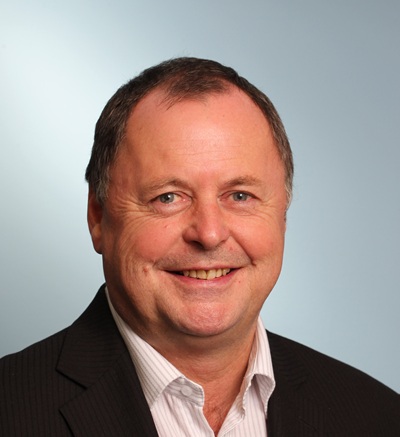
[00:00:09] Speaker B: Welcome to the first episode of season two of the Grower Talks.
Designed for growers, research, industry investors and regulators, Season two explores the trends, the innovations, the opportunities and the challenges shaping the future of biologicals around the world.
And where better to begin? The Brazil, the undisputed global benchmark for agricultural biologicals.
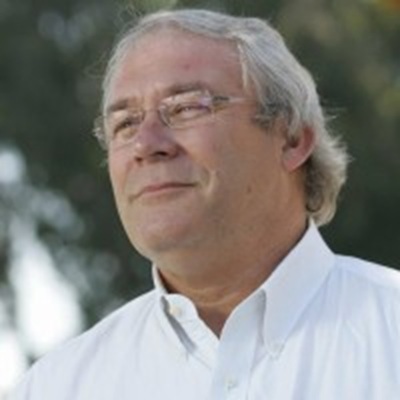
Joining me throughout our Brazilian series is my co host and guide to all things Brazilian agriculture, Gustavo Mamoa.
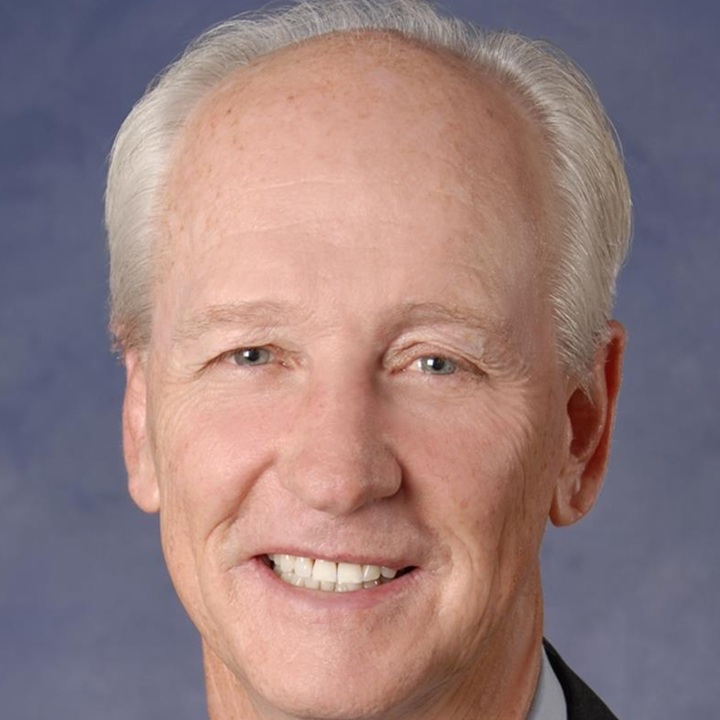
And for today's inaugural conversation, we're delighted to welcome one of the most influential figures helping shape the future of the sector, Francisco Jardim, otherwise known as Chico. Co founder and managing director of SP Ventures, Brazil's most active venture capital investor in agricultural biological innovation.
Welcome gentlemen, and it's my great pleasure to have you both on the call today. It's a wonderful first episode for series two. But before we carry on with the actual detailed conversation, Gustavo, I should say, Gustavo, first of all, congratulations on your guest article that appeared in AgFunder News last week.
Awesome to see, but I think it would help our audience just to understand a little bit more about your own background in terms of where you've been and what you're doing. So perhaps if I could just hand over you to provide some insight.
[00:01:40] Speaker C: Thanks, Peter. And I think it was very hard to say no to your invitation to be one of the co hosts of the Grower Talks new season. And I'm excited to be working with you bringing some of the most Brazil, the Brazilian most influential figures in this area. I am a serial entrepreneur. I co founded an agrobiological company 20 years ago and today I'm working as international partnership advisor working to connect the U.S. the Brazilian agricultural biological innovation ecosystems.
So I think it's great to have Chico here.
[00:02:19] Speaker B: Absolutely. And Chico, to use your proper name, it would be great also if you could just provide a little bit of insight and background to yourself so that the audience will know a little bit more about you.
[00:02:30] Speaker D: Of course, guys, it's an honor. Thank you so much for the invitation, the opportunity.
It's an honor to be here with Mamao once again. We started our journey, a project that Mamao's one of the most previous companies had created back in Brazil. So it's. It's great to touch base.
So I'm Chico Jardim, originally from Brasilia. When I was 2007, Mamao, his partners, along with the Brazilian Economic and Development bank invited me to be a manager of one of the first deep tech venture funds in Brazil's operations in Sao Paulo and started out without having any understanding, knowledge or experience whatsoever in agriculture. But very quickly visiting farmers, visiting universities in Brazil, stumbled upon something that I think Mamao was already well aware of, which is Brazil is the most important tropical innovation agriculture ecosystem in the world.
And since then been dedicating my life to building our venture capital firm specialized in agritech in Latin America. Today we manage approximately $200 million from some of the leading industries, investors, institutional, family offices, in the game, over 50 investments, and we've been investing in biologics in every single vintage of our firm.
[00:03:51] Speaker B: Great, that's a fabulous introduction, Chico. Gustavo, if I can hand over to you and just ask you if you can now just take on the podcast. Thank you.
[00:04:00] Speaker C: Okay, thanks, Peter. Chico, I think it's a great pleasure to be here at the grower talks and reflecting back 20 years ago when you joined an investment fund and you were in charge of closing the first deals and you found some ag biological companies in the Sao Paulo state.
How was the experience at that time?
[00:04:29] Speaker D: Wow, it was wild. And Mamao we gotta stop telling people how long ago it was. They're gonna figure out how old we are, huh?
It was wild because nobody really believed in the industry back then, right? I remember we used to source deals and transactions by reading the grant approvals from the Sao Paulo State Foundation Science foundation.
And they fund scientists to start innovative projects. And I rem remember reading one of these grant approvals. I was in my late 20s and it was about this company in the University of Sao Paulo in Piracicaba called Bug agentis biologicus. And it was saying that these guys were doing experiments to scale production of a parasite wasp called Trichogramma galloi to do massive inundation applications and control of the Diatrea sacrales, which is a sugarcane bore in the Sao Paulo sugarcane ecosystem. And this had never been done before in the world, this mass tropical inundation to control such an aggressive pest such as the sugarcane boar. And got the car, drove two hours out to visit these guys in the entomology department versus Sao Paulo. They started to explain to me what was biological control, how it worked, who were the European players doing it. At the time it was corporate and Biovest. There weren't too many other people in the game. And I just fell in love with the sector. The opportunity, the size, the opportunity to substitute massive chemical pesticides and something Mamao, that I think you had already noticed here in Brazil that is quite different from other places, which is in Brazil, using biologics is not a Sustainable play. Sustainability play. It's a necessity, right? Because since we plant all year long chemical solutions and GMO solutions, as we've noticed more recently, they lose efficacy very quickly because resilience grows faster.
So you need to have more weapons in the arsenal. So that's when I first came across the industry and what it was at the time, it was a very niche crop protection business within sugarcane. So it was very small and it was far away from being mainstream. There was no. Something that you will also remember, there was no regulatory framework, right? So you kind of had to register products as if it was a chemical product which wasn't capable of doing because you could never pass a traditional chemical evaluation because it wasn't a chemical. So stability and all these things wouldn't hold. So in practice, the entire Brazilian biologics industry, the one that we invested multiple times in the very beginning, was almost illegal because they were selling products commercializing without a Ministry of Agriculture stamp, right? So technically it was illegal. So running that, that regulatory risk, which I think is something that in the US was already something very common or has become very common with, you know, Uber and Airbnb, all these things operating in this gray side of the regulatory ecosystem. When it starts, at the time, this was invested in biologics. So it was, it was the wild, wild west when I think you started and when I started back then.
[00:07:47] Speaker C: And Chico, how would you describe the grower mindset at that time? When you, I mean, would go with the company to present to a grower, what would be the questions, how they would react to that solution?
[00:08:02] Speaker D: Mamao. So, first of all, I think there's something that we need to be transparent about. In those days, the large chemical companies, they were very ostensive and aggressive through their sales force in telling the farmers that biologics do not work and that they were insane to trust their livelihood, their harvest, in this crazy, you know, alternative function, and not going with the traditional products, the products that you could open up and smell and you could apply it and you could see the pest fall down dead. And, you know, that was the way, you know, you had to go, et cetera. So first of all, we had several uphill battles. One of them was against the established chemical industry that spent a lot of energy and through the associations, they spent also a lot of legal and communications capital to try to get this industry derailed in the beginning because they saw it as a long term threat to their core business and their core competencies going to farmers. So first, I think the industry that we, the Segment that we saw that in Brazil, that it was well established was sugarcane.
And this is because Brazil had already had at the time a decades old biological program that was set up in universities, many in the northeast of Brazil, in Alagoa, Spirinabucu.
And that technology was transferred to sugarcane growers and they especially the mills, they set up many of their laboratories to produce some of these parasite wasps and some of these microorganisms to control. And I think we were benefited Mamao, because since sugarcane was not a real global crop, as corn, soybean and wheat became, it was the way it was operated, the way it was farmed in that kind of model, with that genetic. It was very briskly Brazil and a few other places, it didn't take so much attention from many of the large biotechnology and chemical players. Right. So that kind of homegrown solutions worked. So in sugarcane it was already well established, but this was limited to sugarcane and it was limited to a niche crop protection application.
But farmers were still quite hesitant.
[00:10:25] Speaker C: Yeah, in my experience and I saw the early days of in soybeans, I mean based on the experience and the successful experience of applying inoculants in soybeans, I saw the early days to control nematodes. And I think this hesitation in terms of and this how to deal with the chemical companies and how they pitch, I think it resonates what you said Chico and was one of the major milestones of the industry. In 2012, Bayer acquired AgroQuest, which is founded by Pen Maroney, one of the icons of the industry, very well known in California. And I think that started some of the kind of the shift.
So some of the investment thesis start making sense.
And we saw for the first time some of the other. Some of the companies also willing to approach those startups and considering some future acquisition how that happened for you.
[00:11:36] Speaker D: Agree, I remember that acquisition, but I'll be frank. I think that acquisition, and if you speak to the Bayer guys today that were involved, I think there will be consensus that the acquisition was not a good acquisition, at least not for the people that made the acquisition. Right.
They didn't take advantage of the technology, it didn't roll out, didn't scale. It reminds me a lot of the Bayer acquisition of Climate Corp. Right. The Monsanto acquisition of Climate Corp. Right. They paid a billion dollars and it didn't really roll out with their business. It didn't transform their data operation. Right.
But I think it put it on the map. Right. Just like the Climate Corp. Operation. I mean we started investing in a Lot of digital agriculture things because we saw that, that peer. I think the agony quest the same. But, but I'll tell you what, what I think was the true transformational moment here in Brazil, Mamao and consequently I think for the world as I think we started there, an inflection point. I think it was around 2012, 2013 and I remember Bug was almost going bankrupt. We, we already had labor liabilities, we had tax liabilities. And the big problem was that the parasite wasp that we produced, it had very small shelf life. It had like a 60 day shelf life. If we control the temperatures, if we had a room temperatures like three weeks, four weeks. And sugarcane had a lot of seasonality, right. Like we, the, the sugar cane started taking the product in, in October here in the state of Sao Paulo. So we had to produce all year long a minimum level of production because we couldn't scale the biological systems fast. So we needed to keep a certain level of production. We'd basically lose products. So we'd have the co and we wouldn't have the sales and we would usually start selling in October. So we'd ramp up production in August. But the sugar mills would start taking when it started raining and when they saw the pest, right? There's a term that I know you've heard many times also called incidentia da prage. You need to see the pest. And seeing the pest obviously is that the farmer needs to see one, two, when he sees the fourth or fifth caterpillar they say, ah, I'm going to start buying. And this usually happens after the rain starts and the rain sometimes takes two months later. So we would start producing and nobody would buy, we would lose products. And that happened three years in a row. We burned through the equity.
And then I think from Australia we had visiting caterpillar called the Elikoverpa ernesera. And the reason I say from Australia is because there had been a problem in Australia. And what we heard is that I came from Australia already extremely selected for resistance, right? Because there was a lot of chemical attempt to control. So the outbreak that happened in Brazil, none of the products that were available, the chemical products were able to control the Elico, Verpa, Armesia. This was in grains, right? This was in corn, soybean, cotton.
The first move that the ag lobby and the chemical companies did was they started to get approvals, emergency approvals in the Ministry of Agriculture to allow products that had been banned in Brazil, products that were banned in China, to be allowed to be able to use and control etcetera but even these were not effective and you couldn't bring down the, the infestation levels. Almost as a last resort, the farmers in these grains, they started to try some of those niche crop protection alternative solutions that were used in sugarcane specifically in our case, in case of bug, it was the Trichogramma, but it wasn't the Galloi, it was the preciosum, the trichogramma parasites, they're very caterpillar specific, so the Preciosium is a little bit more multiple, so they can parasite several caterpillars. But the Galloi is very focused on the Diatrea saccharis. So they tried this preciosum and it worked. It brought the population pest down. And this was this cross pollinization of technologies. Right. This was a transformative moment, I believe, in the Brazilian, in the global biologics.
At the same time there were some European products, I believe under Maat brought the virus bacalovirus or certain fungi to Brazil that also were effective.
And that's when soybean corn, the big cash crop guys started to believe that this worked.
And we had a small inflection point as you know, exponential growth in the beginning, it's irrelevant, but it gets very big and very hard to ignore very fast. And I think that's what's gotten us over here.
[00:16:24] Speaker C: Yeah. So it took a crisis to, in your experience, to Ag Biological also to take off.
Peter, I know that we are accessing some of the ag biological archives of the Brazilian investment experience here, some of the early days of some of the new startups. What you'd like to ask Chico.
[00:16:47] Speaker B: Great, great question, Gustavo, and fabulous introduction, Chico. Really appreciate the background. I really want to cut touch on one specific area which you mentioned earlier on.
In the early days of SP Ventures, you're saying that there was quite a bit of resistance from what I might call traditional chemistry companies and this was something you had to really work through. I've noticed in your Most recent AgVentures Fund 3, you've got some interesting limited partner names, people like FMC Corporation, BASF.
So clearly there's been a transformation in terms of the chemical company approach to biologicals in Brazil. Can you talk a little bit about that and what's really changed over the last kind of five to six years to make them more focused on this particular area of commercial agriculture?
[00:17:39] Speaker D: 100%. And I think it's, it's. There are two major phenomenon that are incredible. One, these guys join not only our fund, but they joined the industry. Right. The biologics industry.
So some of the names that you mentioned and a few other ones, we also have Syngenta as an investment partner. We have the large fertilizer guys like Yara Mosaic, OCP.
So we started to see the big chemical players. Second is that besides the crop protection, as I mentioned, also the fertilizer guys came in and this is something that I think is extremely exciting about the biologics revolution, which Brazil is again pioneering and exporting to the world. World. It's. There are no fine barriers between crop protection and plant nutrition. So just to put that in numbers, Brazilian crop protection market, if you add up herbicide, insecticide and fungicide, It'll be between 12, 14 billion dollars. This might go up or down depending on the dollar and a few other things, but it's usually around that range.
The NPK, the fertilizer segment is around 20 to $25 billion. Right. And we've seen over the past few years only has the crop protection groups gotten on the bandwagon, but also the fertilizer guys have gotten on the bandwagon. And this is not about sustainability. None of these guys jumped on the bandwagon, including the farmers, because of sustainability. It is about profitability, it is about input vulnerability, mitigation and of course, resilience, climate resilience. Especially when we're talking about the new generation of abiotic stress products.
[00:19:18] Speaker B: If I can just pick up on one other comment, Chico, that you mentioned when you gave your introduction, you talked about the importance of tropical agriculture.
And of course that's quite a unique form of agriculture compared to what we might be used to in my part of the world down here in New Zealand, certainly in Australia. I guess if you go to North Queensland, you've got some tropical agriculture up there. But you say that that's one of the reasons why it's increased unique innovation opportunity.
Can you talk a little bit more about that? Because I think that will be really interesting to the wider audience.
[00:19:50] Speaker D: Yeah. And even on that note, Pete, if you look at the formal definitions, there's not a standardized definition, but if you look at the general definitions of what regenerative agriculture is, you will see that it's the classic fundamentals of tropical agriculture, right? It's crop diversity, it's integrated systems, its extensive biological and nature based solution uses. Right? So these are all the things that I think tropical agriculture not only uses, but needs to be able to scale and maintain very high levels of productivity year after year. So as, as, as, as my mom knows. Well, when, when you farm in In a tropical environment, some of the the differences first, you can farm all year long because we don't have four that freezes over biological activity. So you have a window that you can use that is much longer.
At the same time, while you can keep the plant growing for much of the year, you can also have pests, diseases and weeds growing all year long. So it's a much more aggressive, patiently environment. So you need different tools. As we know, if you apply glyphosate, if you apply herbicide, insecticide and fungicide all year long, the life cycle of those chemical solutions and of those GMO seeds is shortened because you generate or you breed resistance right across the pests of diseases and the weeds. So you need to integrate systems and you need to have biologics in it to increase the life cycle and even to substitute those life cycles. And what as we've been seeing by some pioneering very large farmers in Brazil, and I'll single out Kilherme Schaeffer from the Schaeffer Group, is that when you reduce chemicals and you reduce GMO and you can manage to have a very scientific driven, extensive regen practice with biologics, you can reach levels of productivity on a plateau above what you had with the previous technology packets where you had biologics introduced. And this is of course because you have a much healthier soil microbiome and other resilience factors. But this is one. So the aggressiveness of the tropical environment, I think is one thing that requires a different system. And the other one which benefits and which allows you to do this is also that you have most of global biodiversity in tropical environments. So I believe in Manon, don't let me lie. But I think tropical environments like Brazil have around 80% of global biodiversity. Right. So you have a much bigger bank from which to bioprospect and find these nature technologies that you can use to reestablish these equilibrium. So this is a little bit of what we've been seeing.
Yeah,
[00:22:43] Speaker B: no, but fascinating. Back, back, back to Gustavo
[00:22:46] Speaker C: and Antigo. I think this combination, as you just mentioned of biologicals in a regen ag practice is it can be kind of a new gold standard to be pursuing in the future.
But I would like you to share, I mean as we kind of dig in the past, let's now fast forward and see some of the challenges and opportunities that you are seeing. SP Ventures has today some companies in its portfolio, ag biological companies. So when you are seated in their board or when you are supporting some of the decision, what's Going on now. What are the challenges? What are the opportunities?
[00:23:31] Speaker D: Yeah, that's a really good question. And it's never a dull day in emerging markets, it agritech boardrooms.
So I'll tell you one that is a classic dilemma when you're in an early stage investment around these companies. What's the business model that you're going to implement? By business model I mean is it going to be B2B? Are we going to produce and sell to companies like Corteva, Syngenta, Bayer, BASF, these guys? Or are we going to build out a direct to farmer retail operation?
This is not as obvious as it might sound because Brazil has the highest interest rates in the world.
The input industry has a characteristic that for you to sell an input to a farmer, you have to finance the farmer. So you need to have 220, 250 working capital days cycle when you do that. So it takes a lot of working capital to grow 100, 200% a year in a sense, very expensive. Brazilian farmers for the last couple of years have reached record levels of delinquency rates. So default rates on debt. You know, it's been a tough couple of years of margin compression, interest rates, climate challenges. So building out a hundred, 150 people distribution force on the field is expensive. And in a time when capital has become scarce at the same time, if you only do B2B you reduce your sales cycle, you reduce your credit risk, great.
But you don't capture as much value, right? And as a venture capitalist, you don't control the energy that's put on the distribution and the market development of your technology. So one of these guys that I mentioned that you can do a B2B too, he's selling a protocol, right? A whole, whole portfolio of technologies, right? From herbicide to fungicide and now with plant nutrition. So he could prioritize one of his products and not prioritize yours. So that's a drawback. The other one is we are investing in these companies to build them to help farmers become more profitable, more resilient, but also to give our investors their money back with significant returns. And in order to do that, I have to sell these companies. Now I know Mamao has sold his first company to Stoller.
We sold Bug through the project that we had with amongst partners to corporate.
It's not easy. Exits in our geography are hard. So you need to work extensively to build the assets that are going to be desired by the strategics and distribution and a strong brand associated with biologics and technology. Is a strategic asset. So Mamao, I think this is one of the things that takes a lot of time. We spend a lot of time discussing go to market strategies. We stuck a lot of time discussing financing strategies.
It's tough. This was an election year, as I think most of the audience will probably remember here in Brazil. So many of the products that we register in the Ministry of Agriculture in Brazil, they froze up their processes because there was already discussing who was going to take over after the election and all that. So it's never a dull day in emerging markets.
[00:26:53] Speaker C: I know that there is a lot of the macroeconomics political impacting, but if you are choosing a company to invest, looking at kind of the core of their innovation today, what would you be looking for or what has you been looking for in the past to accomplish to met some of the market needs nowadays?
[00:27:20] Speaker D: Mamao. So one thing that I'll say that is definitely a major change three, four years ago, if the company didn't have any bioinformatics professionals, it wasn't so much of an issue. Today I'm seeing most of the companies that are knocking on our door. We invested in an Extremo file company based out of Buenos in Tucuma, Buenos Aires called Puna Bay already had a heavy representation of bioinformatics and AI engineers on the founding team and on the roster. So we really want to understand how the team is going to use AI across the board. So whether it's in gene identification, selection for bioprospection, optimization, whether it's in formulation, whether it's in industrial automation efficiency or more and more what we're seeing is use of AI on the sales team to be able to optimize strategy of where we allocate our precious reais here in terms of allocating team to this region or that region and giving more intelligence and more information to our technical sales team so that they can be more effective on the sales process. So now I would say AI proficiency across the management team is a core value that is new. This is something that three, four years ago was unheard of for us to be putting this at such a high level of demand.
[00:28:49] Speaker C: And once you do that Chico, and you use those criteria, what can be or may be the value proposition for growers in the future when they are looking for their new ag biological products, what these growers may get in the future?
[00:29:11] Speaker D: It's an interesting question that you asked because I see the large chemical companies especially they have a mentality and they're going in the direction of third and Fourth generation biologics, right? Molecules, peptides, for example, RNAI, et cetera.
And we have, and this of course is our belief, but we have a suspicion that one of the reasons that these guys are going so much in this direction is because they feel they can control and protect the IP more and because it reminds them of the old chemical industry in certain ways. Right. But when we look at that technology, we feel that there's still a lot, and I mean, I'm not going to mention some of the names, but we've seen some of these companies, the first ones to register are an AI technologies in Brazil, et cetera, when they go to market, the product still is not that effective. And I'll use the cases for the Spodoptera frugipeh, I believe is what the Americans call the foul army worm. We are the biggest shareholder in the leading Brazilian virus company. Virus baculovirus is the most effective biologics that we know to control Dasporodopta ferrupaevarel. The virus is eaten. It has a protective structure that it bypasses the alkaline structures in the digestive system of the caterpillar. But not only does it infect the caterpillar, it influences the caterpillar's mindset so that it goes to a part of the leaf where it dies and it's most exposed so that the virus has more chance, chances to be distributed and attacks others. Right. So it's a very complex, sophisticated system of not only does it penetrate, it's effective in killing the caterpillar, but it directs the caterpillar, it almost controls the caterpillar from a mental perspective. And then you get the RNAI structures that we're seeing being marketed.
Many things that we hear is that these still can't even get past the alkaline digestive structures of the caterpillar. So when we're talking about effectiveness on the field and taking down an infestation that's already ripe or maintaining other populations, we think many of these technologies, ordering molecules next generations are still perhaps not ready for prime time. Meanwhile, what many of these guys say is old generations, single microbes, or more sophisticated multiple combinations of microbes, which with AI we can formulate and we can simulate how they work symbiotically, together, these are being very effective. So we're very focused on what is going to bring value to the farmer and we understand that that will build company value as, as a consequence. And I think many of the large players are a little bit too biased towards some of these new chemical Applications.
[00:31:59] Speaker C: Yeah, I think you are covered. It's fascinating. I mean, this tension between like the integration with the old systems and pursuing the efficacy in ag biologicals. And I think you gave a great example, Peter
[00:32:17] Speaker B: Yep. Very, very happy, Gustavo, to jump in at that point.
One question we've not discussed at the moment, Chico, and I think it's quite relevant around the whole area of innovation and just the scale of innovation in Brazil is the regulatory environment that operates within the country. I mean, Brazil is known as really having the gold standard for regulation, particularly when it comes to registering new ingredients around biocontrol biopesticides.
What might take 18 months in Brazil could take five years in Australia, could take six, seven years in the European Union.
I would personally think that has a hugely positive impact on the innovation ecosystem because there's much less of what might call the value of death for investors like yourself if you think your product can be registered in 18 months rather than five years. I'm just wondering what impact that has actually had on the innovation ecosystem in Brazil and whether you think that current reforms of the regulation system are actually going to accelerate that opportunity for Brazilian entrepreneurs and companies.
[00:33:26] Speaker D: 100%, Peter so I cannot emphasize enough how hard a time my peers have in terms of biological entrepreneurs in Europe and the United States versus Brazil. So clearly they have a lot more access to capital, financial capital. But when I speak to the entrepreneurs in those ecosystems, I see a lot of frustration. First of all, getting their products to the field, getting their products to market takes longer. Processes are more uncertain. In Europe, I've heard many complaints that they have to get field trials in multiple countries in order to have a European approval. And then once you get across the goal line, you have a market that is much less eager to adopt at scale that technology. I mean, I was at a biologics event in the US out in North Carolina near RTPI a couple of years ago, and I spoke to many American farmers and many of them were still suspicious that many biologic solutions were snake oil. I heard the term snake oil used multiple times in Brazil. I think we already have a structural advantage that makes it very hard to have retrocesses or for other countries to catch up very quickly. And I'll tell you what it is. For example, I think the biologics belief that it will the understanding of how it works, the understanding of its efficacy, it's something that's been ingrained in academic circles for a very long time. So, for example, when I go to the Ministry of Agriculture in Brasilia with one of Our entrepreneurs to present a novel formulation that we want to do field trials and then submit a dossier to the product.
More than once I would be received. We would be received by one of the technicians at the Ministry of Agriculture and technical people. And he would have done his PhD on biologics.
So I don't have to convince him, I don't have to educate him on the platform of the technology and all the sector. This is a guy who's already spent many, many, many years doing research and dedicating his life to biologics. So I think that's a critical point.
The second one I think is political. If you look at the. So the agricultural lobby in Brazilian Congress is probably the strongest organized lobby that we have in Brazil. And if you look at the growers in Brazil, and this is very contrary for many other agricultural economies, but the largest growers in Brazil are the biggest adopters of biologics. I will use the example of SLC. SLC grows 840,000 hectares in Brazil. That's 840,000 hectares. I believe they're probably the largest single farmer in the world. They were the first farmer in Brazil to list on the Brazilian stock exchange in 2008 in the able vispa. So a very professional group, they issued that globally, you know, and their highest productivity farm, it's a farm called Pamplona, it's a cotton farm. And it's the farm that has the highest penetration of biological inputs.
So these guys, they obviously, they have a very strategic interest, economic interest in having biologics approved and new solutions and new technologies. They produce biologics on their on farm operations. So these guys exercise political pressure. Now I mentioned one, but you have dozens of these groups. So we have very technically qualified people in Brasilia doing these processes. They understand the science, they understand the products, but we also have a very strong organized lobby that uses it.
And there's an interesting case maybe five or six years ago, we started to have a growth of on farm production technologies. So companies would be developing bioreactors and selling kind of an espresso capsule model to farmers so that they could produce their own biologics in the farm.
And some of the big chemical companies that were starting to get into biologics, they tried to close these guys down, making criminal lawsuits, right?
And I remember the Minister of Agriculture at the time was a lady called Teresa Christina from the center west of the country. Now she's a senator. And she went on TV and said, we believe on farm production benefits our farmers and we will support our Farmers and we will not let them down on this attack that they're having.
So there is a very strong political defense and goodwill. And it's hard for you to have the convergence of all these things in Brazil and in agriculture and especially in biologics. This has been a factor.
[00:38:09] Speaker C: Your description of this alignment of many forces like from education, for the love inside the industry.
I mean everyone kind of look at the same direction.
Do you have any other insight in terms of what might be some of the key decision factor for the growers, how they were convinced and how they were kind of. How did they start signing in in some of the those solutions?
[00:38:43] Speaker D: Yeah, that's a good question, Mamao. And, and, and I don't think it was an overnight success story, right? I mean, I think that you're, you' example, you, you were an entrepreneur in this very early on, even before you, you had a lot of scientists that were doing this. The sugar mills were building laboratories and producing Trichoderma Bovedia, you know, so, so this has been going on for, for, for a long time. I, I, I think there were, there were a few triggers, right? If I was to say the most remarkable triggers, definitely the, the Recoverpa one that we mentioned, the. Then as it started to scale, we started to have more established Brazilian companies joining, right? We had Laboratory Faropilia, we had Symbiosi, Copert acquired Bug, acquired a couple others and established. So you started to have this more, let's say less universities, as we call these companies that weren't so like backyard professor industrial operations, they were more professional, they produce more standardized quality, they start to innovate in formulation.
And one thing that I think is true about biologics is when farmers start to use it more, they start to see that it works, but they also start to learn the protocols, right? Like some of the formulations are sensitive to uva, some of them are sensitive to heat, moisture, you have to apply it at the right time, all these things.
And you can't apply certain chemicals when you're applying the biologics, because the biologics, the chemicals in many cases will neutralize the biologics. So you start to change the protocol, you start to learn about it, you start to see the results. This was many years then I think in the last six years we started to have the large companies start to come in.
And of course Syngenta bought Valagra and there was a Corteva about Stoller, but then brought more of their biologic solutions. So the moment that we started to have the big companies, the big chemical companies started validating this? Right. And Mosaic launched Mosaic Biosciences then I think it also started to bring an additional layer of credibility.
I would say the Ukraine, Russia conflict. And for the first time in my generation I saw Brazilian farmers come to grips with the possibility that they would not have nitrogen fertilizers available. So what can we do then? The obsession of finding nitrogen fixation biologics that worked in corn, cotton, et cetera also started to become an important priority. Biomaphos and Embrappa technology was one of the key products that accelerated the phosphorus solubilization applications. Now we're seeing a whole new suite technologies of these products. So now we're starting to see the fertilizer edges. So I think the volatility of the complexity of farming operations and how biologics have come in to help solve efficacy issues, input vulnerability issues, now climate resilience issues. Right.
I mentioned the abiotic stress. So Embrapa brought to market a technology with a Brazilian company called noaa, that's called Aureus, which was one of the first, it was an extremophile that they sourced out of the Cachinga in Brazil and it allowed plants to maintain competitiveness and growth, et cetera, even in extreme droughts and heats. But then after they launch, launched this product and it became a success a couple of years ago, several other companies, our portfolio company Jennica, launched Rally, which does what they do 10, 20% better.
So we've been seeing the shocks in tropical agriculture, whether it's climate, whether it's input price volatility, whether it's pest resilience. All of these is when farmers really said, wow, we're going to turn to biologics to help us solve this. And once they do it, they don't go back because they saw that it works.
They broke their prejudice. And I think this is what is transformational. I think what makes tropical agriculture do this more often than perhaps temperate is simply that our operation is so much more intense, it's so much more nervous on the dot. And remember, we have world class farmers. I always say this, I think the Brazilian farmers are the absolute best farmers in the world. Remembering not only are we probably the biggest agricultural commodity surplus producer in the world, but we do it with the worst logistical infrastructure of any large agricultural ecosystem. If we had the American Mississippi, Missouri rivers and New Orleans ports and the railways, et cetera, we'd be, you know, we'd have a much larger market share. Besides this, we have the highest interest rates in the world and farming is the most working capital intensive. There's an OECD study that was done a few years ago showing European Union subsidies for agriculture with the Common Agricultural Policy, American subsidies for agriculture, farm bill, et cetera. And they had Brazil. Brazil was by far the least subsidized agriculture in the world. Large agriculture in the world. So Brazilian farmers are very efficient. They face all these adversities and they're very innovative. And I think one of the other reasons that we haven't mentioned, and I think this is critical, is age.
The Brazilian farmer, if I'm not mistaken, the average age is around 48 Mamoa. Now you might have an updated number.
I read recently the Chinese is around 48, 44. The American is over 60. Right. So I think the younger age is less connected with legacy habits. Right. And more open to trying some of these technologies.
[00:44:32] Speaker C: Yeah. So Chico, I'm going to echo here that the Brazilian ag biological success was not an overnight story. So it took a long way and so many forces are playing to make that happen. We are about to wrap up this edition of our podcast.
I have to ask you a final question, but I ask you to answer quickly.
Where, in your investor shoes are we going to see the first $1 billion pure player of Ag Biological Company?
[00:45:07] Speaker D: Now remember Aqua Capital, one of our peer competitors, sold biotrop for almost $600 million a couple of years ago. Right.
And this was was what we consider a highly successful transaction because it benefited everybody. We saw the founders happy, we saw investors happy. And we see Bio Best and Biofirst very happy with the leadership they've acquired, the capability they've acquired. So answering Yes, I do. I don't know if it's going to be in Biologics or if it's going to be in ag Fintech or in ag AI. I think there's very good competition, but I'm pretty certain we're going to have a billion dollar company and it's going to be a Brazilian agriculture company.
[00:45:53] Speaker C: All right. Chico was a pleasure to meet you again after so many years working together.
Peter, such a great opportunity to be sharing this history of agrobiological startups in Brazil and getting this up to date. What's going on in Brazil on Chico's perspective.
[00:46:15] Speaker B: Thank you, thank you so much for both of you. But Chico, that was an absolutely awesome first episode for the Grower Talks.
Provided a really detailed, I think, introduction there to the Brazilian ecosystem. And Gustavo, I'm looking forward over the coming weeks to further Brazilian episodes, really, to develop some of the key themes that Chico has talked about. But look, I'd just like to take this opportunity once again to thank you both.
A fantastic 45 minutes there. Yeah. Really appreciate your time and contribution, Chico. And look forward to doing this all again, Gustavo, in the not too distant future.
[00:46:49] Speaker C: Yeah. Thank you
[00:46:49] Speaker B: very much.
[00:46:50] Speaker C: Thank you.
[00:46:52] Speaker B: Cheers. Thank you.